The journal / Art for the home
Art that feels
at home.
Choosing an abstract painting should be enjoyable. A few practical decisions about size, colour and position help, but the best starting point is a painting you genuinely want to live with.
Whether you have a generous living room wall or a smaller space that needs something individual, here is how to find a piece that feels right.

01 / Where to begin
How do you choose abstract art for your home?
Begin with the paintings that catch your attention, not the ones that seem to match the furniture perfectly. Abstract art gives you room to enjoy colour, movement and composition without needing a recognisable subject.
Ask yourself whether you are drawn to bold, energetic brushwork or something softer and more restrained. Look at the whole painting, then spend time with the smaller details. The work should still interest you after that first glance.
Once you have a favourite, think about its place in the room. Scale, colour and natural light can help you decide, rather than making the decision for you.
02 / Size and proportion
What size abstract painting should you choose?
Start by measuring the wall and any furniture underneath it. Above a sofa or sideboard, a painting that spans roughly two-thirds of the furniture's width is often a useful starting point, but it is not a rule.
A large original painting can give a spacious wall real presence. Smaller works can be just as effective where the furniture or architecture provides more detail. Leave enough clear wall around the canvas so the composition has room to breathe.
Also think about shape. A wide painting can sit naturally above a long sofa, a portrait canvas can draw the eye upwards, and a square work is often easy to place on a feature wall. Before buying, use paper or low-tack tape to outline the actual dimensions on your wall. For exact measurements by sofa, bed and console width, see our size guide for choosing a painting for a large wall.
03 / Colour
Should abstract art match your room's colours?
Not exactly. A painting looks more considered when there is some connection to the space, but it does not have to repeat every colour in your rug or cushions.
Warm amber and rust can add depth to a room with natural timber and pale walls. Blue, teal and green can bring freshness to a neutral interior. A contrasting painting can also be the most interesting thing in the room.
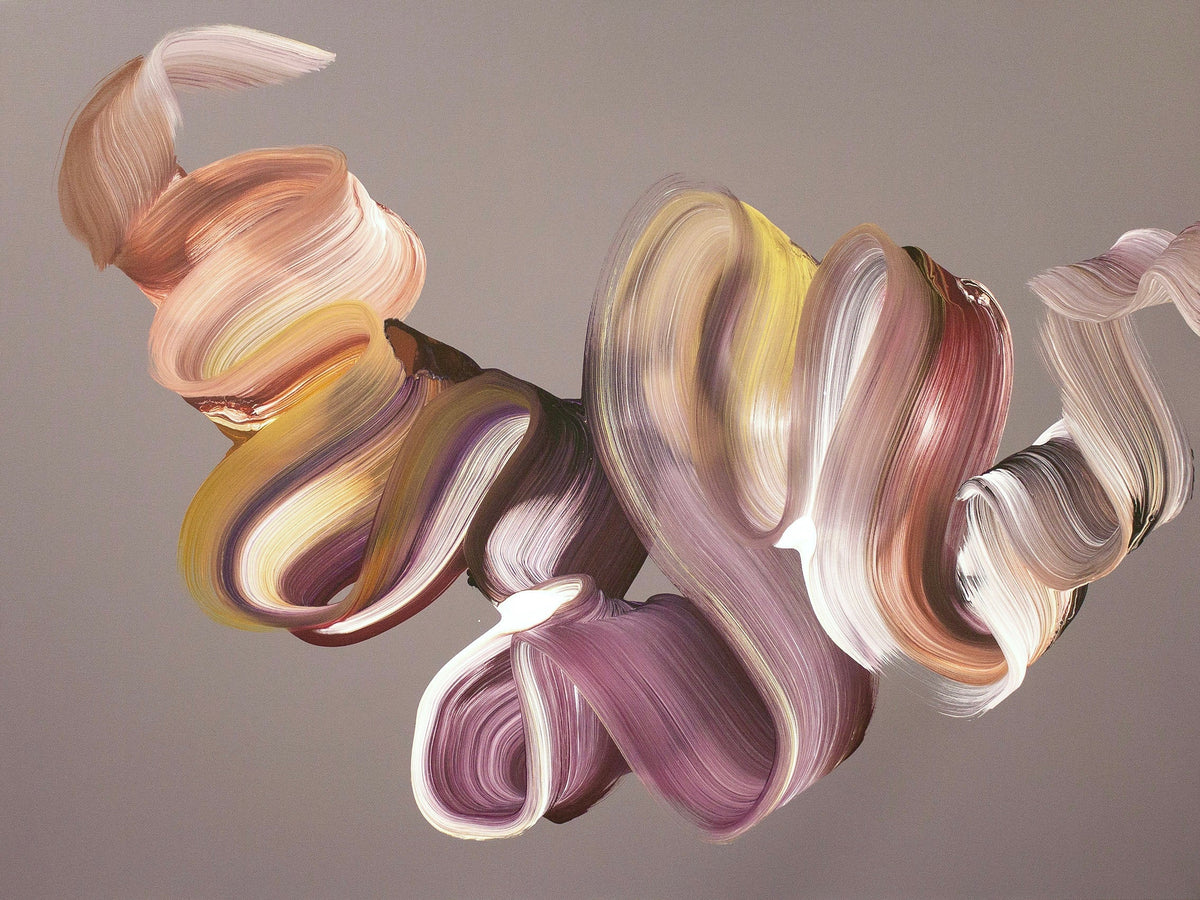
In Autumn Breeze II, warm colour sits against grey and charcoal. It shows how an artwork can introduce a different palette while still belonging in a contemporary setting.

04 / Room by room
Where does abstract art work best in the home?
Living room. Above a sofa or on a principal wall, an original painting can become the centre of the room. Consider how it looks both from the doorway and when you are sitting down.
Bedroom. Choose a composition you enjoy seeing at the beginning and end of the day. Gentle colour combinations often sit beautifully with linen, warm white walls and timber.
Dining room. A larger work can hold the wall without a collection of smaller accessories competing for attention. Look at the painting from seated height as well as when standing.
Hallway or home office. These spaces benefit from original art too. A tall canvas can suit a narrow wall, while one strong piece may be all that is needed behind a desk.

05 / A quieter palette
Can softer abstract art still make an impression?
Certainly. A quieter painting can be particularly interesting when you look closely. Shifts between greens, neutrals and lighter tones can introduce depth without strong contrast.
Fields Of Serenity has horizontal movement and layered greens that work well with a simple interior. The overall effect is restrained, but the painting still has its own character.
Rather than choosing purely by room type, consider how much visual activity you want around you. Both understated and colourful work can look equally at home.
06 / Hanging and lighting
How should you hang and light an abstract painting?
For an open wall, placing the centre of the painting around average eye level is a helpful starting point. Above furniture, make sure the canvas relates to what is below it rather than floating too high. Step back and judge it from the places you normally use the room.
Look at the work in daylight and under your evening lights. Colour and texture can appear quite different as the light changes. A carefully positioned picture light can be useful, but avoid strong glare, direct sunlight and damp locations.
Check the artwork's actual orientation and dimensions before deciding where to hang it. A photograph of a painting in a room can be helpful, but it is the measurements that tell you how it will fit your wall.
07 / A more expressive choice
What if you want the artwork to be the main feature?
Then give it space. A colourful composition can make a room feel complete without many extra objects around it. You do not need to echo every shade elsewhere in the interior.
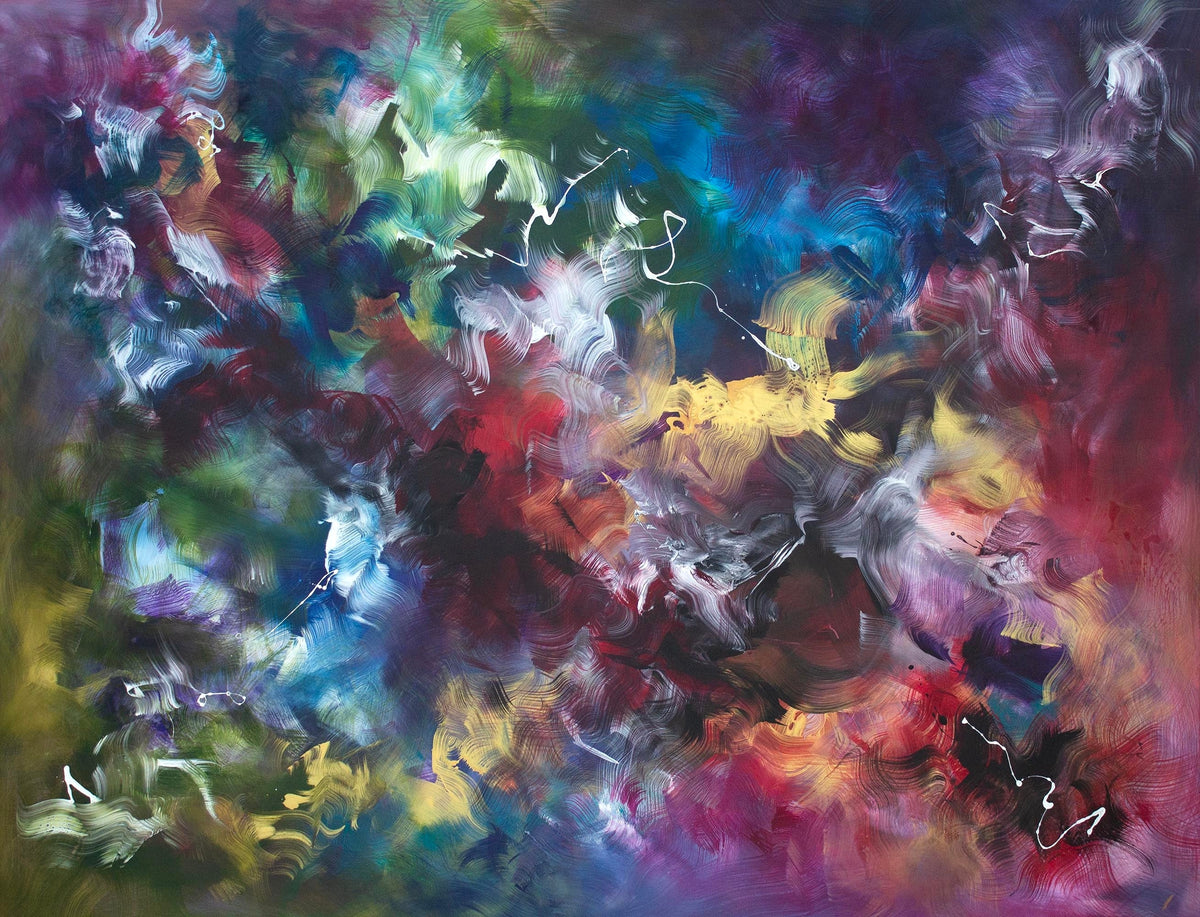
Dancing Hues combines lively colour with softer areas. Against a clean wall, the painting can take the lead while the furnishings remain simple.
If a piece immediately catches your eye and you still enjoy looking at it a few days later, that is often more useful than following a decorating trend.

08 / Buying with confidence
What should you check before buying abstract art online?
Look for the exact canvas dimensions, orientation and medium, together with clear photographs of the full painting. Close-up pictures help you see the colour and texture; interior photographs help you imagine the artwork on a wall. Both are useful, but neither replaces checking the measurements.
An original painting is a unique work, while a limited-edition print can offer another way to enjoy an artist's image. Check what you are buying, including framing options, how the piece is signed, whether it comes with a certificate of authenticity and how it will be delivered.
Art Nrshinga offers original abstract paintings by London artist Paresh Nrshinga FRSA, as well as bespoke commissions. If you are unsure about scale or colour, you can contact the studio to discuss your space before choosing.
A final thought
Live with what you love.
There is no single correct way to choose art for a home. Find a painting that holds your attention, give it the space it deserves, and let the room develop around it.
Explore original paintings →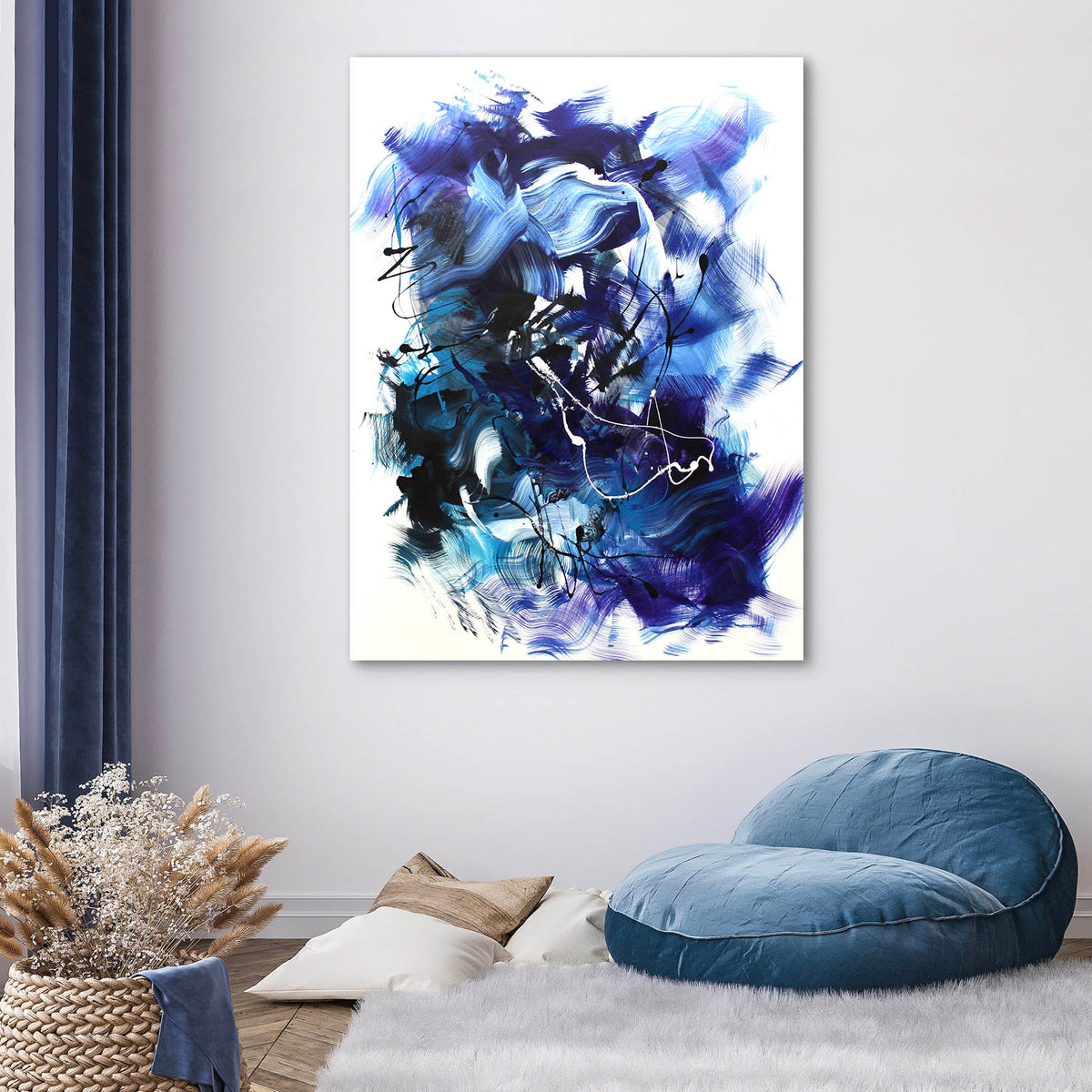

Share:
Colour in Interior Design | Abstract Art Beyond Trends
Beyond the Canvas | A Collaboration with Winch Design