
The journal / Art and wellbeing
A moment
to look closer.
Art does not have to solve anything to matter. Sometimes a painting simply gives us a reason to stop, look and notice something we had missed.
The relationship between art and wellbeing is personal. Colour, movement and memory can make a work feel different from one person to the next, and even from one day to another. That freedom is part of the experience of living with original art.

01 / A personal experience
Can looking at art support everyday wellbeing?
Many people find pleasure, interest or a sense of reflection in looking at art. A painting can make a familiar room feel more individual and offer something different to focus on during a busy day. There is no single emotional response that everyone should have.
Research into the arts and health is a broad field. A World Health Organization review of arts and wellbeing research explored varied forms of arts engagement, including creating and experiencing art. That evidence should not be interpreted as proof that owning a painting can treat a mental health condition.
The value of original art at home can be much simpler: enjoyment, curiosity, a personal connection and the pleasure of looking.
02 / Looking again
Why do we keep returning to the same painting?
An abstract painting rarely reveals everything at once. From across a room you notice its movement or dominant colours. Closer to the canvas you begin to find small gestures, edges and layers that were not obvious before.
Find My Peace uses bronze and brown tones with softened transitions and measured movement. There are quieter passages where the eye can rest, balanced by details that draw attention back to the surface.
The painting is not a prescription for feeling peaceful. Its appeal comes from what each person finds in it, and from the way that relationship can change with time.

03 / Space for stillness
Can a painting make a room feel quieter?
A quieter painting can suit a space where you want fewer distractions. Pale tones, open areas of canvas and gently repeated marks may sit comfortably beside linen, wood and understated furnishings. This is a visual choice rather than a guaranteed emotional effect.
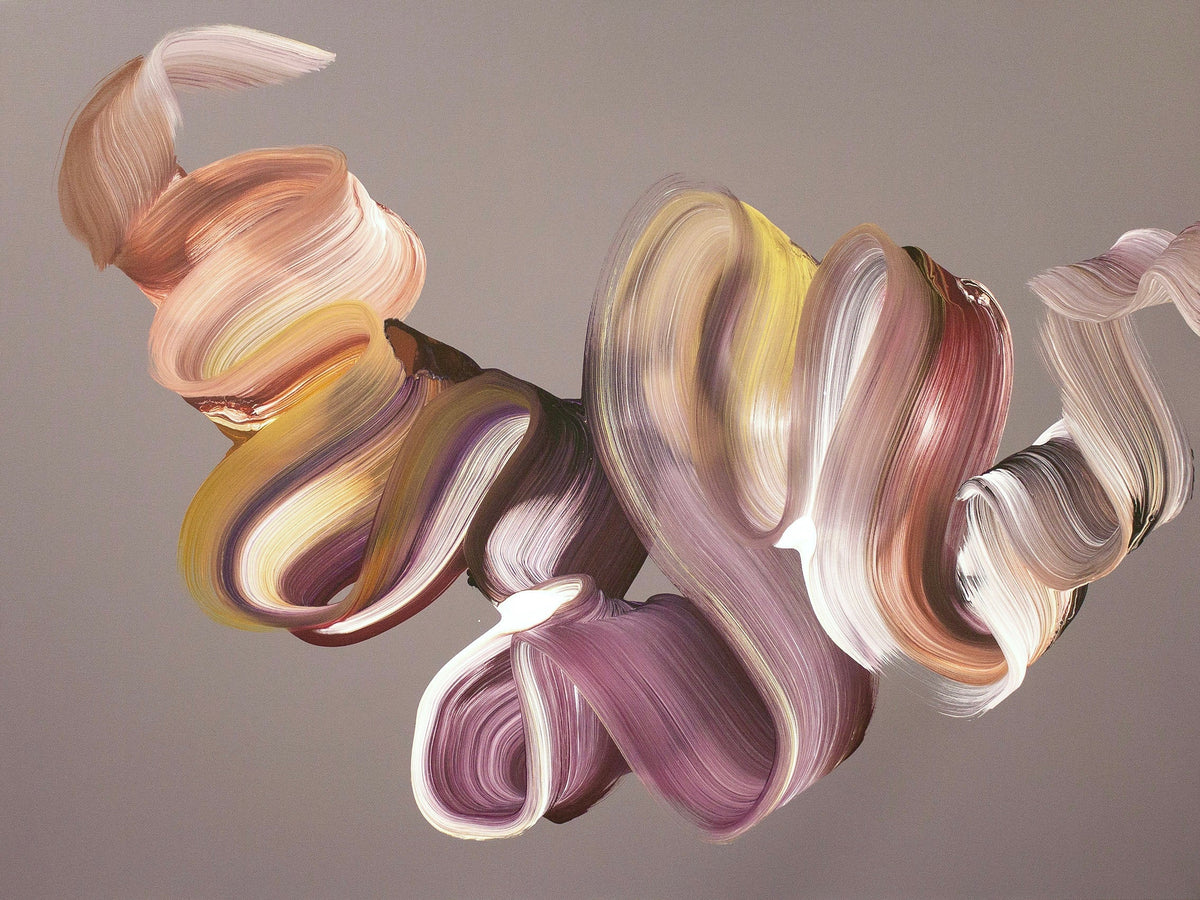
Quiet Light combines ivory and warm gold with sweeping, ribbon-like forms. The work holds its own presence without relying on strong contrasts, giving the room something considered to return to.
You do not need a dedicated meditation space to enjoy that quality. A painting beside a favourite chair, in a bedroom or in a private study can be appreciated in ordinary moments.
04 / More than calm
Must art that feels meaningful be soothing?
Not at all. Some people connect with energetic, dramatic or challenging work. A painting might feel expansive one day and intense the next. Those different responses are not a problem to resolve.
Shadow and Gesture brings light and dark areas into conversation through confident black and white brushwork. The composition has tension and movement, yet the quieter spaces around its marks remain important.
Living with art allows room for more than one feeling. You do not need to choose only soft colours or gentle imagery for a work to feel personal.


05 / Colour and attention
How do colour and movement affect our experience of art?
Colour is often the first thing we notice, but its meaning is not fixed. One person may find blue refreshing, another may associate it with a place or memory, and someone else may be more interested in the movement of the paint.
Dreamcatching layers blue and teal in an open, flowing composition. Its changing shades give the eye different places to settle. Seen at a distance, the work reads as a whole; close up, individual gestures emerge.
Lighting also changes what we see. Natural light and evening lamps can bring out different nuances, so it is worth spending time with a painting in the conditions of your own home.
06 / Room for interpretation
Can abstract art express feelings without words?
Abstract art leaves space for the viewer's imagination. Without a literal scene to explain, colour, composition and gesture can prompt associations that may be different for everyone. A work can remind someone of a place, a period of life or simply a feeling they cannot easily name.
That does not mean the artist has placed a specific emotion into the canvas for everyone to receive. The relationship is shaped by both the painting and the person looking at it.
If you respond to an artwork strongly, you do not have to explain why. Sometimes the connection is enough.
07 / The person behind the work
What makes an original painting feel personal?
Original paintings carry evidence of the artist's decisions. The marks, layers, changes of direction and areas of restraint remain visible on the surface. These are qualities that photographs can suggest, but which become clearer when experienced at close range.
Precious Memories I has a contemplative presence through its taupe palette and softened transitions. Its character is quiet rather than insistent, allowing the viewer to notice the way the composition is held together.
Paresh Nrshinga FRSA works with colour and gesture across a wide range of original abstract paintings. For a closer look at his process, read Inside the Studio.

08 / Living with what matters
How do you choose meaningful art for your home?
Begin with the work you genuinely want to look at again. Think about the whole painting, the feeling of its colours and the details that continue to hold your attention. There is no requirement for a piece to create a particular mood.
Consider where it will live, how the room is used and the actual canvas dimensions. An in-situ photograph can help you imagine a placement, but you should check the original measurements and orientation before making a decision.
You can explore original abstract paintings or contact the Art Nrshinga studio to discuss a particular space. For more practical advice, see our guide to choosing art for your home.
A final thought
Art can simply be part of life.
You do not need to expect a painting to change your wellbeing. Living with an original work can be rewarding because it is yours to discover, revisit and enjoy. That personal experience matters more than any promise of a particular result.
Explore original paintings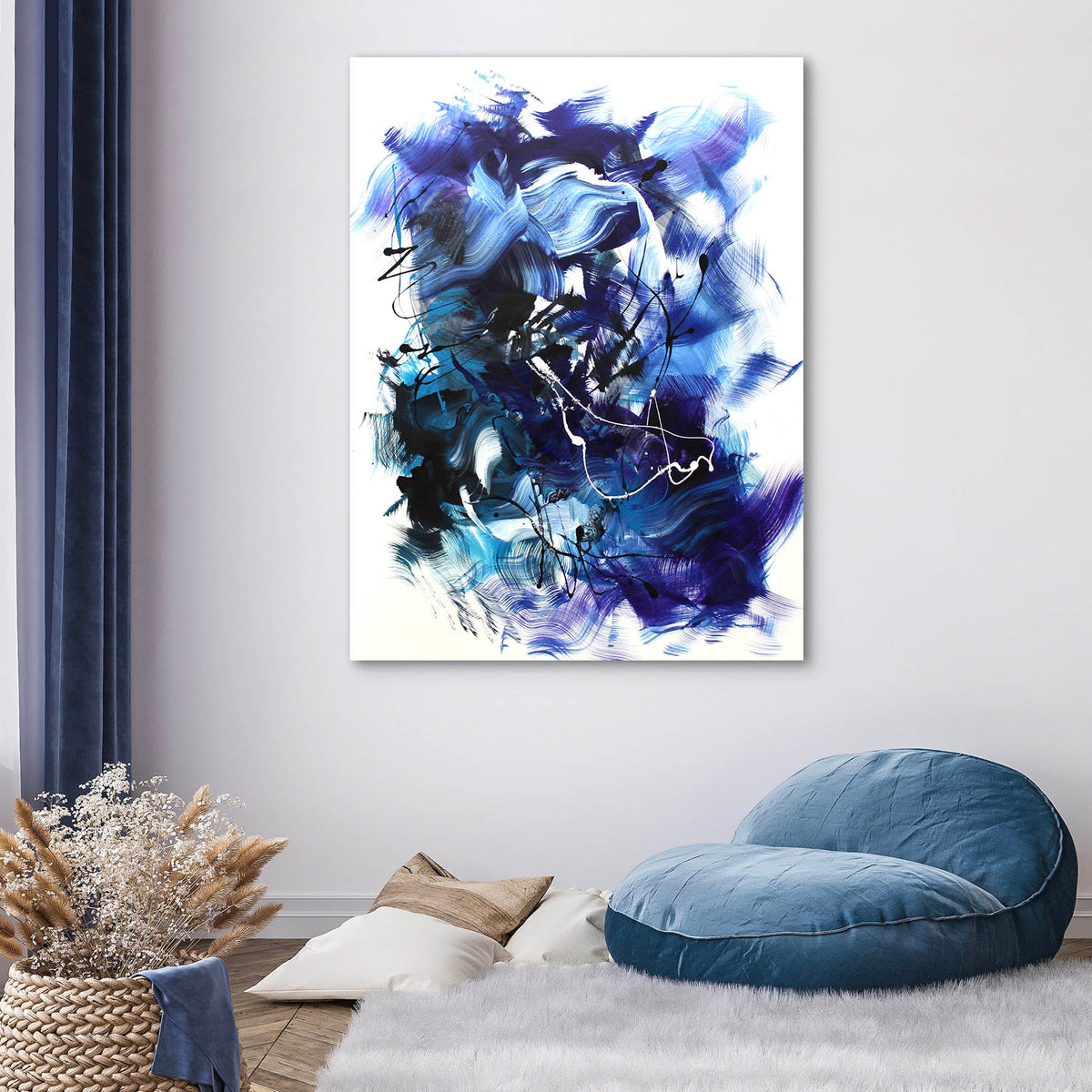

Share:
Collecting Original Art | Value Beyond the Price
Living with Vibrant Original Art | A Home with Character