
The journal / Original art at home
A painting with
its own story.
Some things in a home are chosen because they fit. Others are chosen because they mean something. An original painting can become both.
Its colours, gestures and details are entirely its own. And when you live with it, you begin to discover the things that made you choose it in the first place.

01 / An original, not a formula
What is special about owning an original painting?
An original painting is a physical work made by an artist. Each mark belongs to that particular canvas: the pressure of a brush, the way colours meet and the places where earlier layers remain visible.
Even when an artist revisits familiar colours or subjects, two original works do not become identical. Decisions made during the process give each painting its particular character.
That individuality is one of the pleasures of choosing a work for your home. It is not simply a colour or style; it is a painting with its own presence.

02 / The artist's hand
What can you see in an original painting that photographs cannot fully show?
Photographs reveal composition and colour, but a painted surface has another level of detail. There may be fine lines within a broad gesture, changes in texture, or translucent passages where several colours sit together.
Forest Glow brings blues, greens and white into a lively, layered arrangement with touches of red and yellow. From across a room you notice its movement. Closer to the work, smaller marks and transitions become more apparent.
Seeing an original in changing daylight also reveals details that can be difficult to judge on a screen. A good artwork photograph is helpful, but it remains an introduction to the painting.
03 / Making a room your own
Can original art change the character of a room?
An artwork can give a room a stronger sense of identity without changing the furniture or decorating the walls. A composition full of movement may make a quiet room feel more animated. A gentler palette can bring depth to a space that already has plenty going on.
Large or small, the painting should have a natural relationship with its surroundings. Pay attention to the proportions of the wall, the light and the places from which you will see it most often.
One carefully chosen original can be more meaningful than trying to complete every wall in a single afternoon.
04 / Colour with character
Does original art need to match your interior?
No. A painting can share a tone with your furnishings without repeating the whole palette. A subtle connection may come from warm timber, a fabric texture or a contrasting accent.
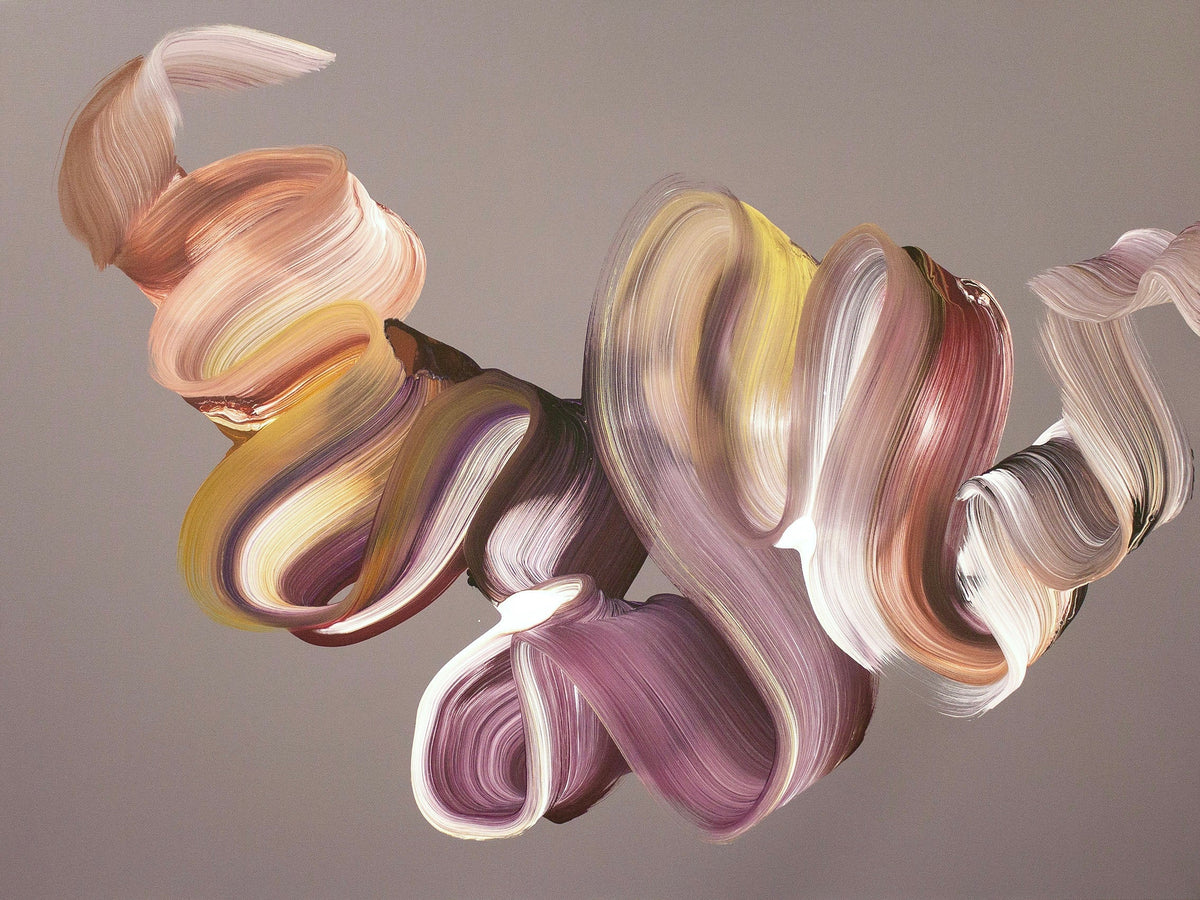
Mocha Symphony uses earth tones in sweeping, layered gestures. Its character comes from the movement within the composition, not from matching any one shade of upholstery.
If you love a work, consider making space for it rather than asking it to follow every design decision already made. For practical ideas, explore our guide to colour and abstract art in interiors.


05 / An evolving connection
Why can the same artwork feel different over time?
A painting does not change every day, but the way you look at it might. You notice a line you had overlooked, a colour becomes more prominent in a different light, or the composition brings a new association to mind.
Blossom Haze moves between pink and purple in soft, expressive layers. Some viewers are drawn to its warmth, others to the movement or the spaces between colours.
There is no correct response to abstract art. Part of its appeal is being able to return to a painting without needing to explain exactly what it means.
06 / A home that tells a story
Can original art become part of family life?
Over time, a painting can become part of the memory of a room. It may be something you chose after moving house, a gift marking an occasion or simply a work that felt right the moment you saw it.
Visitors may notice different things in it, and those conversations can be enjoyable. But the painting does not need anyone else's approval. Its first audience is the person who lives with it.
Original artworks are also easy to imagine in the next chapter of a home. A painting may move from a living room to a study or from one property to another, gathering new associations along the way.
07 / The person who made it
Does knowing the artist change how you see a painting?
Understanding an artist's approach can give a painting another layer of meaning. You begin to recognise the decisions behind a composition, the materials used and the ideas an artist continues to explore.
Paresh Nrshinga FRSA is a London-based contemporary abstract artist whose practice centres on colour, gesture and movement. In Echoes of the Sky, blue and teal sit alongside gold, bronze and white, allowing warmth and freshness to coexist on a single canvas.
Learning about the person behind the work need not dictate your interpretation. It can simply make looking more rewarding. Visit Inside the Studio to discover more about Paresh's process.

08 / Choosing with confidence
What should you look for before buying original art online?
Start with a clear photograph of the entire painting, then look at its details. Check the actual dimensions and orientation, rather than judging the size from an interior image alone. Consider how the composition will relate to the wall where it will hang.
Read the artwork information carefully, including the medium, surface, finishing, signature, certificate of authenticity and delivery arrangements. Each original painting has its own specifications.
If you are unsure about a particular work or how it might sit in your room, contact the Art Nrshinga studio. You can also read our practical guide to choosing abstract art for your home.
A final thought
Choose a painting that stays with you.
The best reason to bring original art into your home is simple: you want to live with it. Find a work that catches your attention, enjoy its individual details and let it become part of your space.
Explore original paintings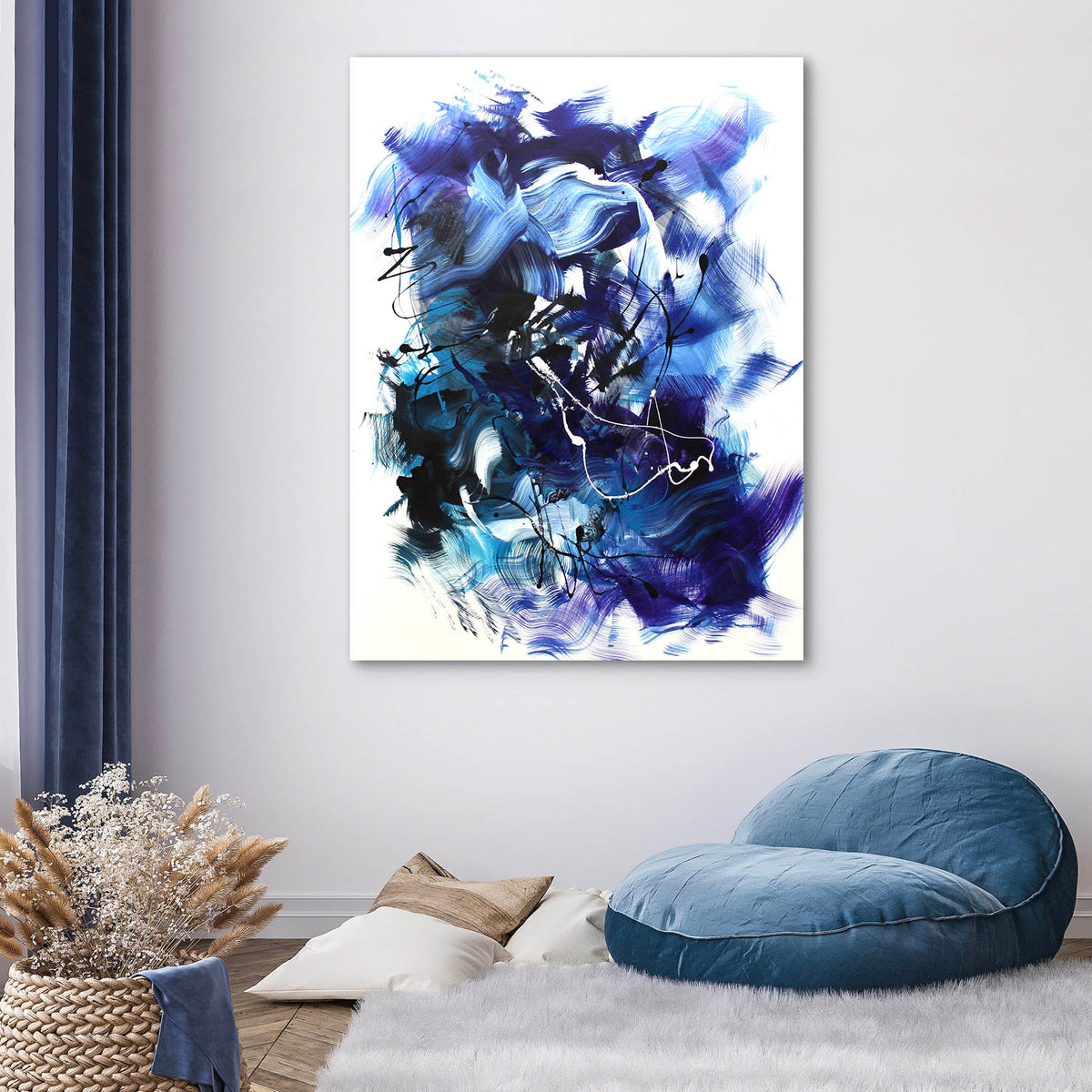

Share:
Art and the Brain | Why We Keep Looking
Collecting Original Art | Value Beyond the Price